Happy Bubbles!
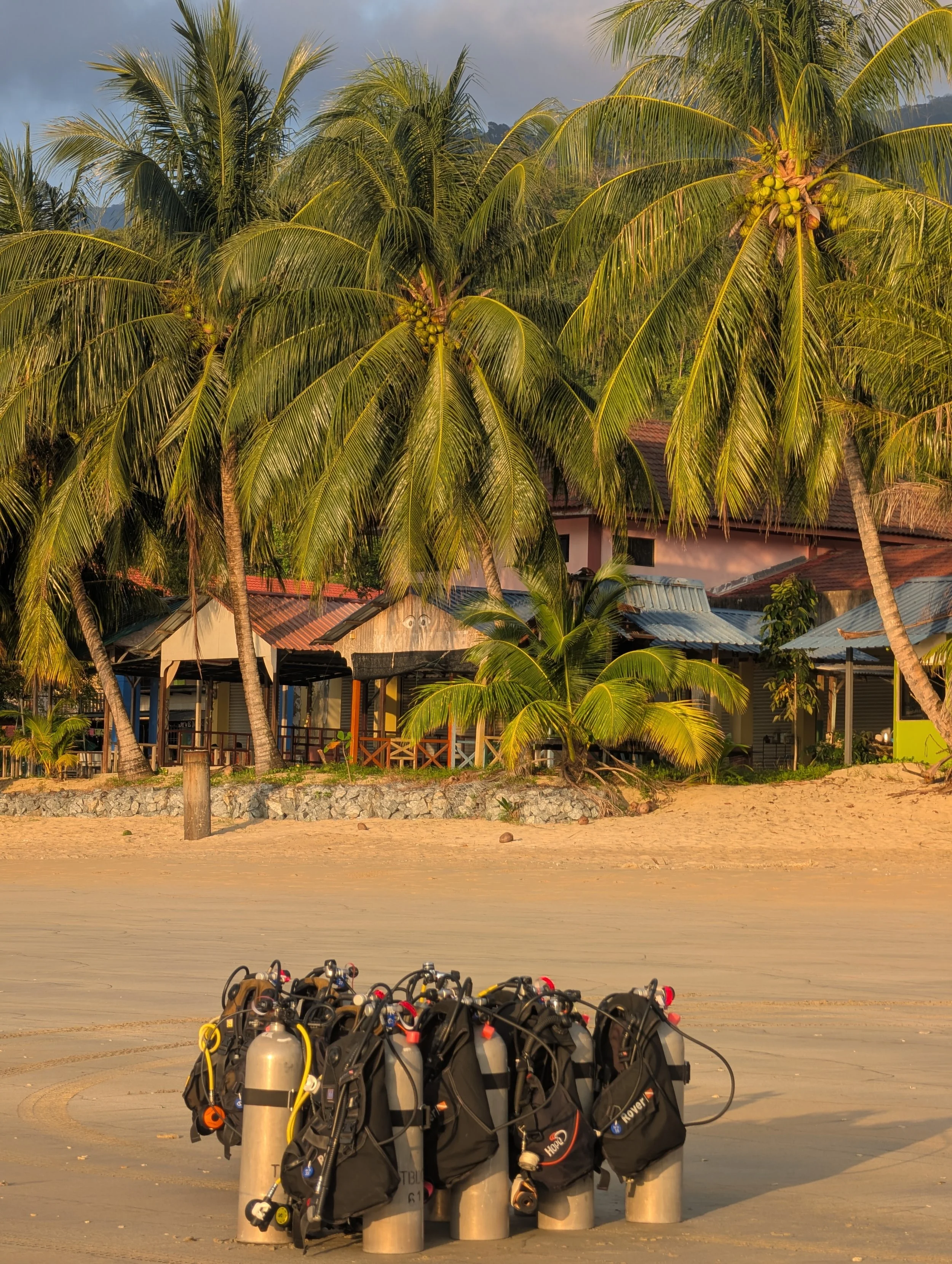
My approach to diving is built around safety, precision, and passion. I hold a profound respect for our water, our oceans and the diving profession, and I'm dedicated to protecting the environment while helping you safely discover the magic underwater.
-
What You Experience Underwater
Effortless Drift Diving: Cozumel’s mild-to-strong currents let you glide along massive coral pinnacles and swim-throughs with minimal effort.
Rich Marine Life: Close encounters with sea turtles, spotted eagle rays, nurse sharks, splendid toadfish (endemic to the region), and vibrant reef ecosystems.
Exceptional Visibility: Crystal-clear Caribbean waters usually offering 80 to 100+ feet of visibility.
The Mesoamerican Barrier Reef System (MBRS), also popularly known as the Great Mayan Reef or Great Maya Reef, is a marine region that stretches over 1,126 km (700 mi) along the coasts of Mexico, Belize, Guatemala, and Honduras. It is the second-longest reef system in the world. — Coral Reefs cover under 2% of the ocean floor and host about 25% of the marine species (there are different kind of reefs depending on their geological origin and what life they host.)
-
Is this your first time blowing bubbles?
Are you curious but hesitating?
Do you want to check it out but don’t want to commit?
Want to find out what scuba diving is like before deciding to get your PADI Open Water Diver scuba diving certification?
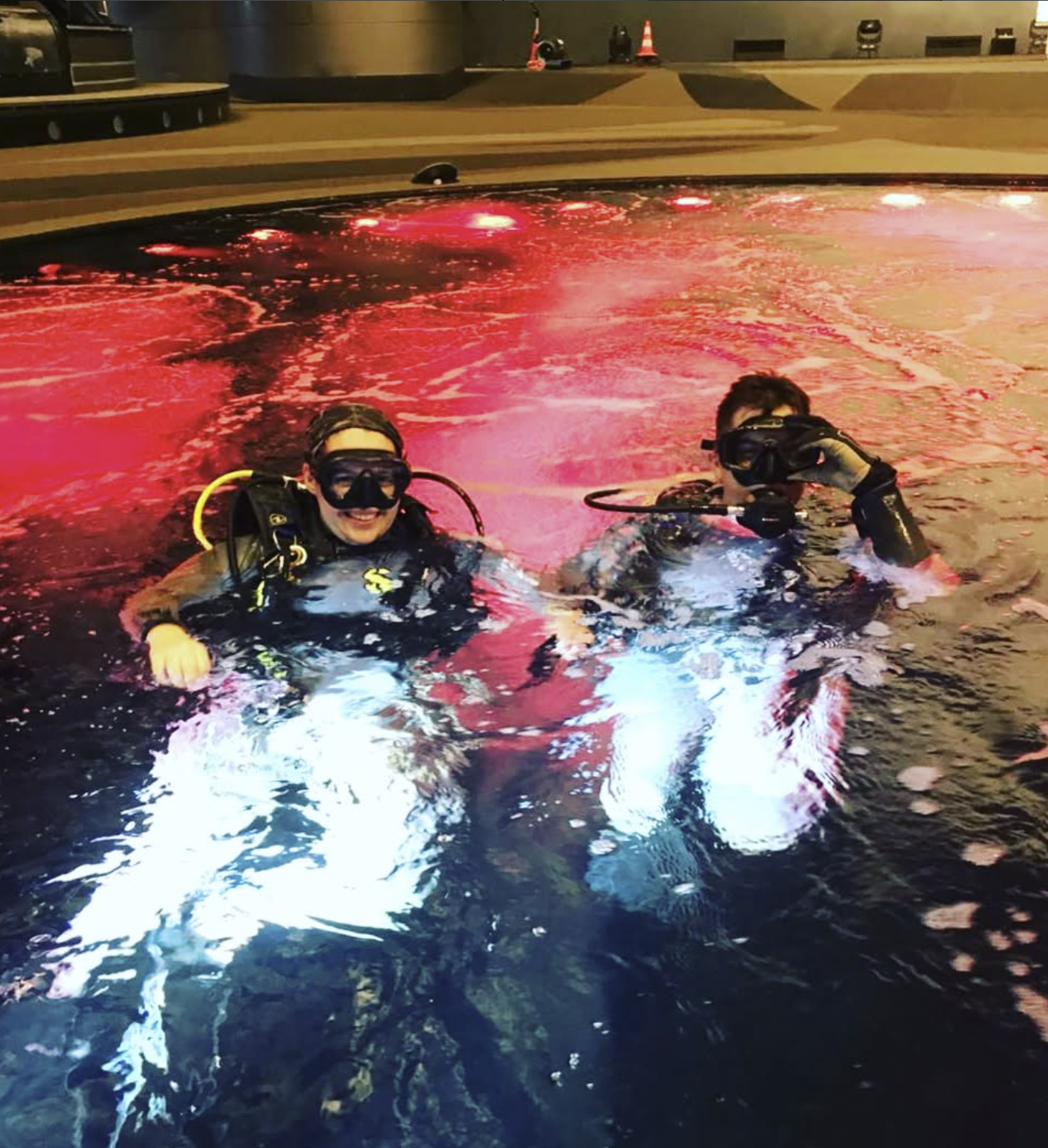
During a Discover Scuba® Diving experience, you can try scuba diving for the first time in a calm water environment.
The PADI Discover Scuba Diving (DSD) program is a one-day, try-diving experience for anyone aged 10+.
It is not a full dive certification but a great way to connect with the underwater world and discover if scuba diving is for you. In this experience, you will learn about diving safety, how to use scuba gear, perform basic scuba diving skills in shallow water, and take your first breaths underwater. An optional open water dive is also available.
You'll practice basic diving skills followed by free time to play underwater or go on a guided open water dive.
Prerequisites: None
Time commitment: 2-3 hours
Minimum age: 10
-
Ready to challenge what you thought you knew about your body and believes? About science, ocean, physics, and what you’re capable of?
Perhaps the most challenging course when it comes to recreational diving, but also a very rewarding challenge that will change the way you approach the world!
By the end of the course, you'll have the skills and knowledge to dive at home or abroad and be an ambassador for the underwater world.
PADI Open Water Diver is the world’s most popular and widely-recognized scuba diving certification. You can become a certified diver in as little as four days, or over the course of a year. Once certified you can dive anywhere in the world with a partner (without professional supervision), get air fills or rent scuba tanks, rent scuba gear, book dive excursions with dive boats and resorts, and call yourself a PADI-certified diver.
-
Let’s go deeper in understanding what is possible and how to safely do it!
The PADI Advanced Open Water Diver certification is a scuba diving qualification that allows certified divers to explore deeper waters—up to 30 meters (100 feet)—and gain experience in different types of diving, such as navigation, deep diving, or night diving. It builds on the foundational skills from the Open Water Diver course and serves as a pathway to more advanced certifications.
The Advanced Open Water Diver course is designed to enhance your diving skills and open up new adventures. You'll complete two required dives—deep diving and underwater navigation—then choose three additional specialty dives based on the local environment and what excites you most, for a total of five dives. Each specialty dive you complete can earn credit toward PADI® specialty certifications. Here are a few of the many options: Deep, Digital Underwater Photography, Dive Against Debris, Enriched Air Nitrox, Fish Identification, Night, Peak Performance Buoyancy, Search & Recovery, Underwater Navigation.
-
In my opinion, something every diver should strive for. It simply makes you a better diver, a better buddy, and therefore, a better human.
A PADI Rescue Diver is trained to prevent and manage dive emergencies, providing assistance to other divers in need while ensuring the safety of themselves and their dive buddies.
They learn to recognize and address stress in divers, respond to emergency situations, and administer first aid and CPR, making them more confident and capable in handling challenging dive scenarios.
-
Ask me about any of the specialties listed below, also if you are interested in being a show diver (or knowing more about what we do) and/or any other PADI specialty you might have an interest in.
Deep Diver
Underwater Navigation
Dive Against Debris!! (and live a life against Debris, please and thank you!)
Aware Coral Reef Conservation (Are you aware of the extent that corals and reefs do for us and the planet?)
Peak Performance Buoyancy (Perhaps the most underrated course but the one that has the most impact on everything you do underwater, highly recommend!)
Underwater Photography
Fish ID
Nitrox
Emergency Oxygen Provider
-
To start PADI Divemaster training:
you must be at least 18 years old
Open Water Diver (or a certification that meets this requirement)
Advanced Open Water Diver (or a certification that meets this requirement)
CPR and First Aid training in the past 24 months
Rescue Diver (or a certification that meets this requirement)
You also need:
At least 40 logged dives
Medical clearance to dive within 12 months
There are also some important qualities every Divemaster should have that can’t be quantified:
A commitment to protecting the environment
Strict adherence to safe diving practices
A caring nature and desire to help people
-
When in Cozumel, in collaboration with CostaMed Cozumel.
Through a combination of knowledge development and hands-on skill practice, you’ll learn how to identify and respond to life-threatening emergencies (primary care). Learn how to identify a stroke, handle a spinal injury, administer CPR and gain other essential lifesaving skills.
During the secondary care part of the course, you’ll learn how to handle injuries or illnesses that are not immediately life-threatening. Learn how to bandage and splint injuries, burn care, what to do following an animal bite or sting and other basic first aid skills. Your instructor will help you build confidence through hands-on practice in realistic scenarios.
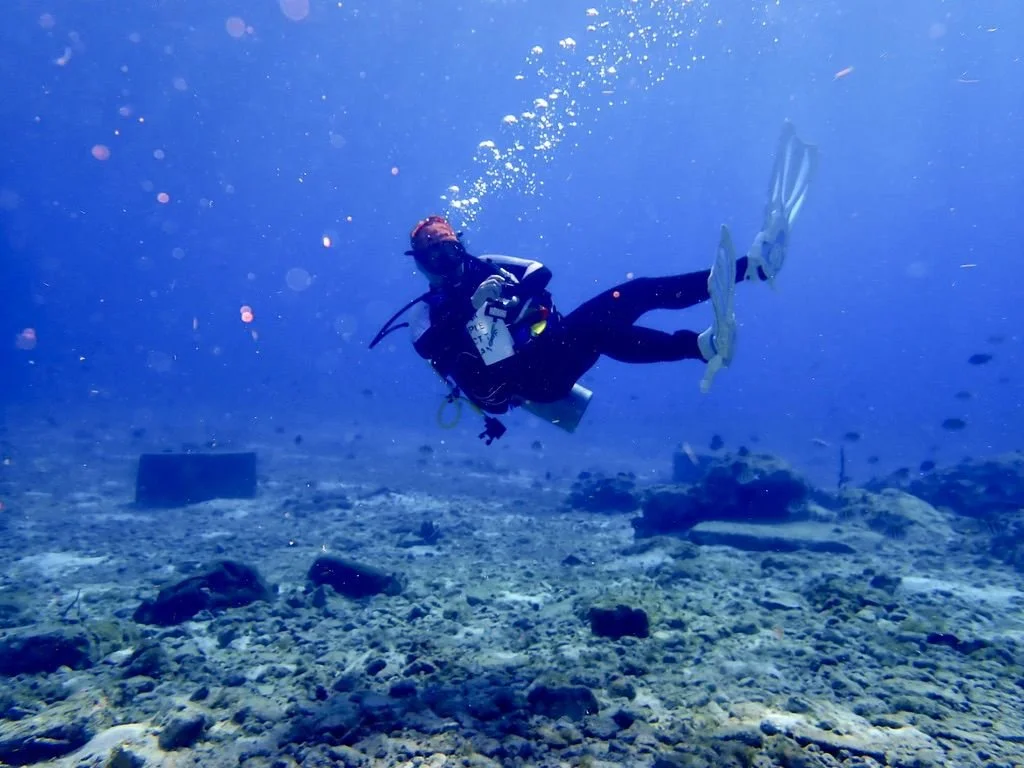
the ocean is calling
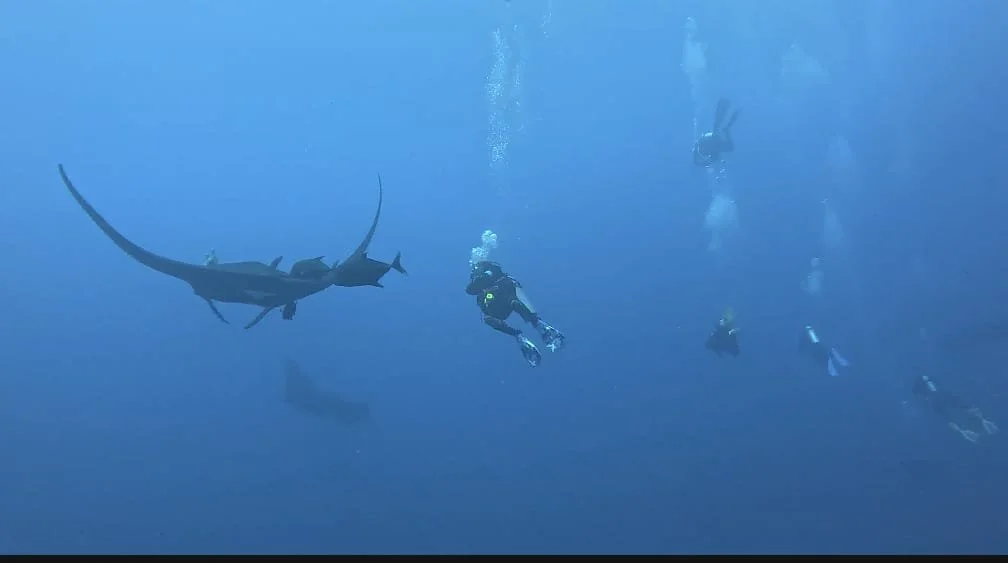
Want to go diving, or just learn more fun facts about coral reefs, the ocean, and its importance.
You can DM me (see Contact page) or fill the form and I’ll get back to you —>